Sweden is a country of contrasts. You can spend the morning exploring the historic streets of Stockholm, the afternoon swimming in a forest lake, and the evening eating dinner beside the sea. In the far north, mountains, Arctic landscapes and the Northern Lights create an entirely different experience, while southern Sweden offers sandy beaches, medieval towns, farmland and picturesque islands. Between these extremes are vast forests, thousands of lakes, charming towns and a distinctly Swedish way of life.
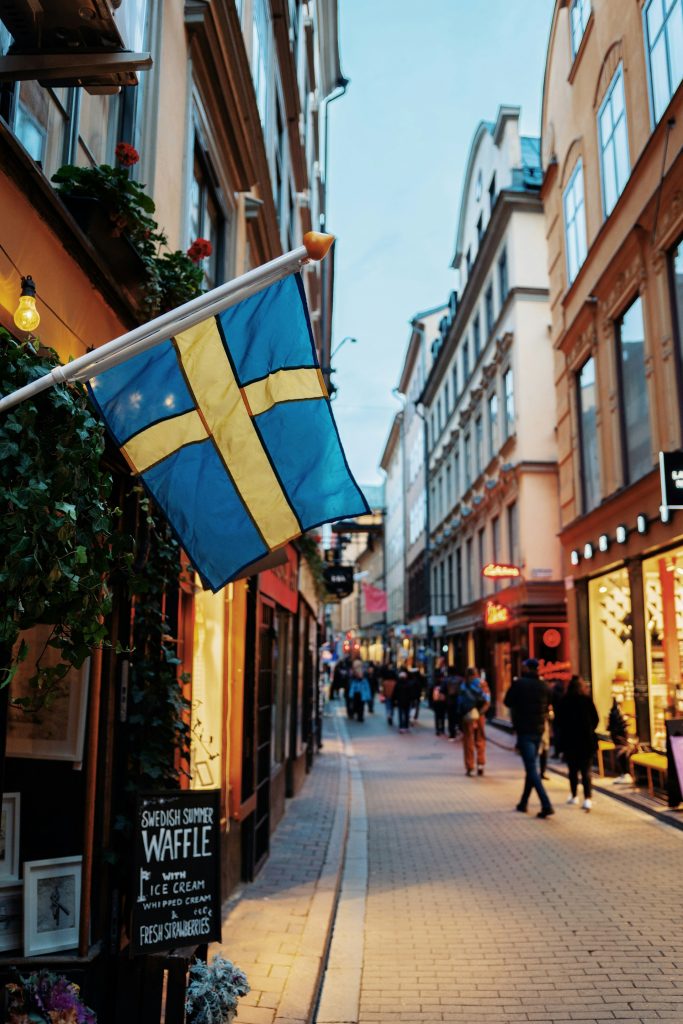
This Sweden travel guide is designed to be your starting point for exploring the country. Whether you are planning your first trip to Sweden, looking for inspiration for your next vacation, or simply trying to understand where to go and what to do, Sweden Explained is here to help. We cover destinations, attractions, food, transportation, nature, Swedish culture, practical travel information and much more.
Sweden is a relatively easy country to travel around, but its size means that choosing where to go can make a big difference to your experience. Stockholm is very different from Gothenburg, which is very different from Swedish Lapland. Let’s take a deeper look at what makes Sweden such an interesting country to visit and how to plan your own Swedish adventure.
Why Visit Sweden?
Sweden is one of those destinations where the appeal is difficult to reduce to a single attraction. It is not just about Stockholm, the Northern Lights, Swedish design or beautiful forests. Rather, it is the combination of these things that makes the country special.
Nature is perhaps the defining feature of Sweden. Forests cover a huge part of the country, and Sweden has approximately 100,000 lakes. The coastline stretches for thousands of kilometers, with islands and archipelagos found along both the east and west coasts. In the north, the landscape becomes increasingly wild, with mountains, tundra and enormous areas of wilderness.
At the same time, Sweden has sophisticated cities with excellent museums, restaurants, cafés, shopping and cultural attractions. Stockholm combines historic architecture with modern Scandinavian design, while Gothenburg has a more relaxed west coast character. Malmö offers a multicultural atmosphere and easy access to Denmark.
Sweden is also an excellent destination for travelers who enjoy outdoor activities. Hiking, cycling, kayaking, fishing, camping, skiing, swimming and wildlife watching are all easy to incorporate into a Swedish vacation.
And then there is everyday Swedish culture. Fika, midsummer celebrations, cinnamon buns, red wooden cottages, sauna and cold-water swimming, seafood, forests and long summer evenings are all parts of the experience.
Where Is Sweden?
Sweden is located in northern Europe and occupies most of the eastern part of the Scandinavian Peninsula. It shares a land border with Norway to the west and Finland to the northeast. Denmark lies immediately to the southwest, separated from Sweden by the Øresund strait.
The country is much larger than it can appear on a map of Europe. Sweden stretches from the southern agricultural landscapes of Skåne to the Arctic regions of Swedish Lapland.
This enormous north-south distance is one of the most important things to understand when planning a trip.
You cannot experience all of Sweden properly in a few days. A long weekend might be perfect for Stockholm, while a two-week vacation allows you to combine several regions. A road trip through northern Sweden requires a completely different itinerary from a city vacation in southern Sweden.
The Best Places to Visit in Sweden
Sweden has far more destinations worth visiting than the major cities alone. Choosing where to go depends heavily on what kind of vacation you want.
Stockholm
Stockholm is the natural starting point for many visitors and the city most closely associated with Sweden internationally.
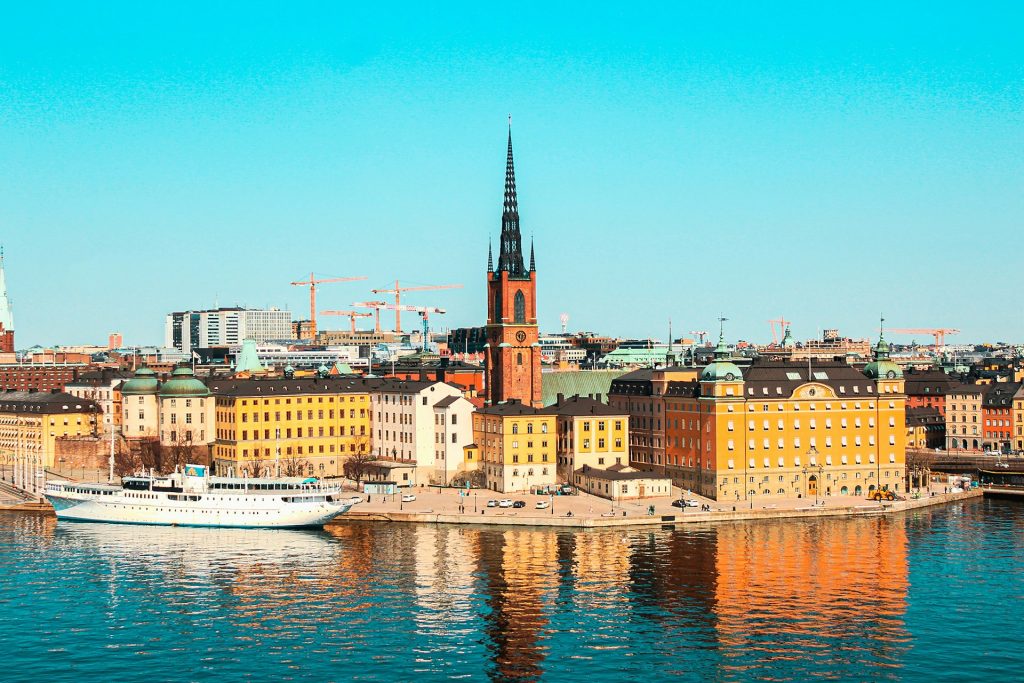
Built across numerous islands, Stockholm combines water, historic neighborhoods, museums, royal attractions, restaurants, parks and modern city life. The old town, Gamla Stan, is one of the city’s most atmospheric areas, with narrow streets and historic buildings.
Stockholm is also an unusually green capital. The city is surrounded by water and nature, and the enormous Stockholm archipelago begins just outside the urban area.
There is enough to keep most visitors occupied for several days, making Stockholm an excellent destination for a first trip to Sweden.
Gothenburg
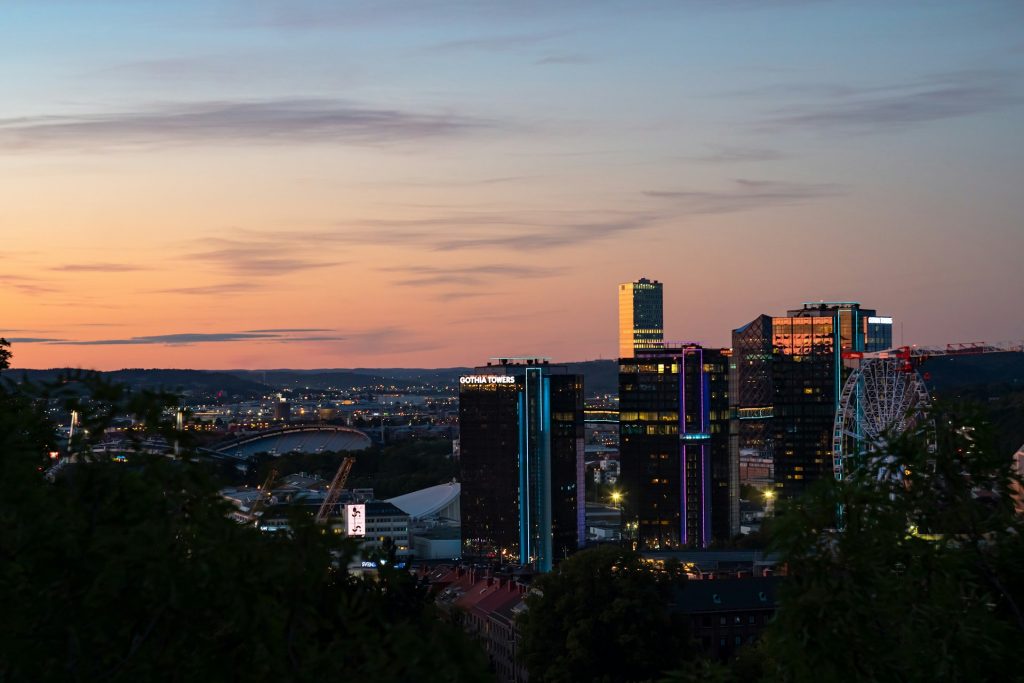
Gothenburg, or Göteborg in Swedish, is Sweden’s second-largest city and has a distinctly different personality from Stockholm.
Located on the west coast, Gothenburg is strongly connected to the sea. Seafood, islands, fishing communities and maritime culture are important parts of the region.
The city itself is relatively compact and easy to explore. It also makes an excellent base for discovering the west coast, particularly the spectacular Bohuslän archipelago.
If you enjoy seafood, coastal scenery and a somewhat more relaxed atmosphere than Stockholm, Gothenburg should be high on your Sweden itinerary.
Malmö
Malmö is Sweden’s southernmost major city and one of its most international.
The city combines historic streets with modern architecture and a diverse food scene. Its location in southern Sweden also makes it particularly convenient for travelers arriving from Denmark.
The Øresund Bridge connects Malmö with Copenhagen, making it possible to combine the two cities on the same trip.
Malmö is also a useful base for exploring Skåne, one of Sweden’s most interesting regions for food, countryside, beaches and historic attractions.
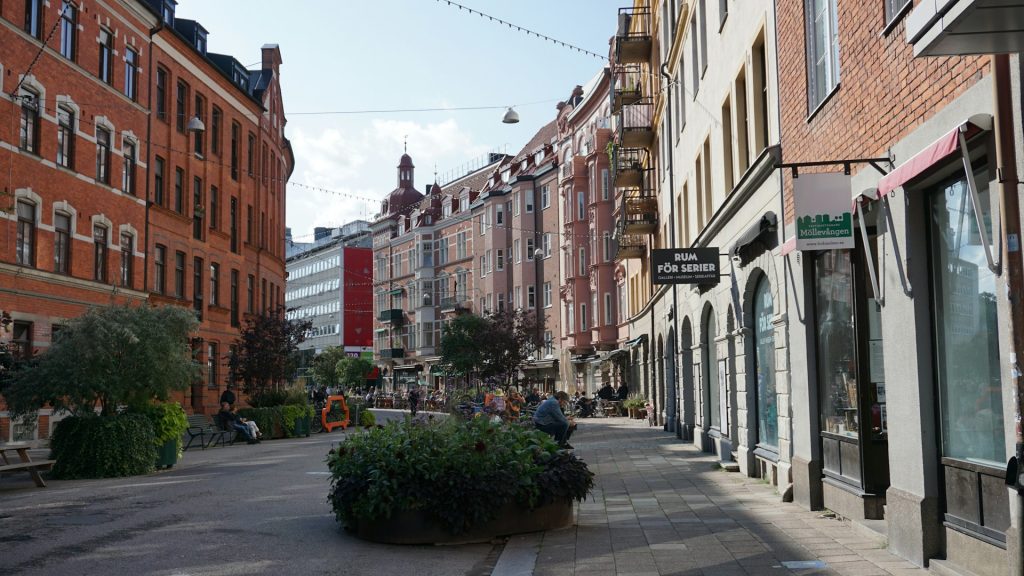
Swedish Lapland
Northern Sweden is where the country becomes dramatically different.
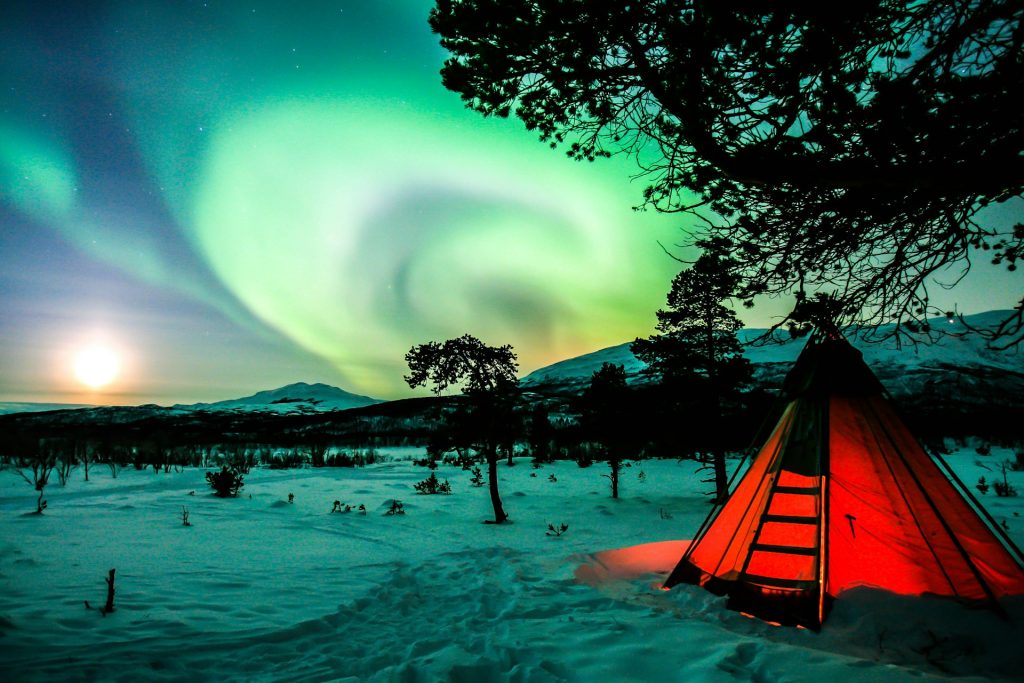
Swedish Lapland offers vast forests, mountains, frozen lakes and Arctic landscapes. During winter, the region becomes one of Europe’s best places to experience the Northern Lights.
Kiruna is an important gateway to the region, while Abisko is particularly well known for its mountain scenery, hiking and opportunities to see the Aurora Borealis.
In summer, the far north offers another extraordinary experience: the Midnight Sun. Around the summer solstice, the sun remains above the horizon throughout the night in areas north of the Arctic Circle.
Gotland
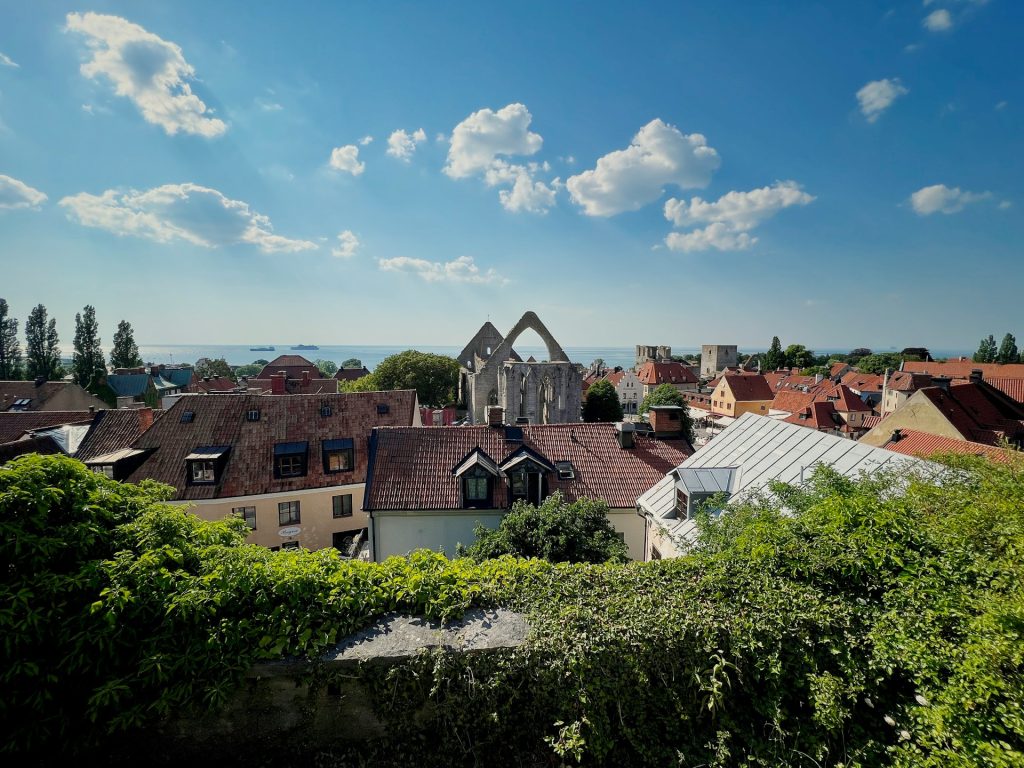
Gotland is Sweden’s largest island and one of the country’s most distinctive destinations.
Its main town, Visby, is surrounded by an exceptionally well-preserved medieval city wall and is a UNESCO World Heritage Site. Outside Visby, the island offers beaches, limestone landscapes, forests, small villages and a unique cultural identity.
Gotland is particularly popular during summer, but it can also be rewarding outside the busiest season.
The West Coast
The Swedish west coast is one of the country’s great summer destinations.
Bohuslän is famous for its rocky coastline, fishing villages, islands and clear waters. Places such as Smögen, Fjällbacka, Marstrand and Lysekil have become popular destinations for both Swedish and international visitors.
A west coast road trip can easily combine charming coastal communities with seafood restaurants, kayaking and boat trips.
Dalarna
Dalarna is often described as one of the regions most strongly associated with traditional Swedish culture.
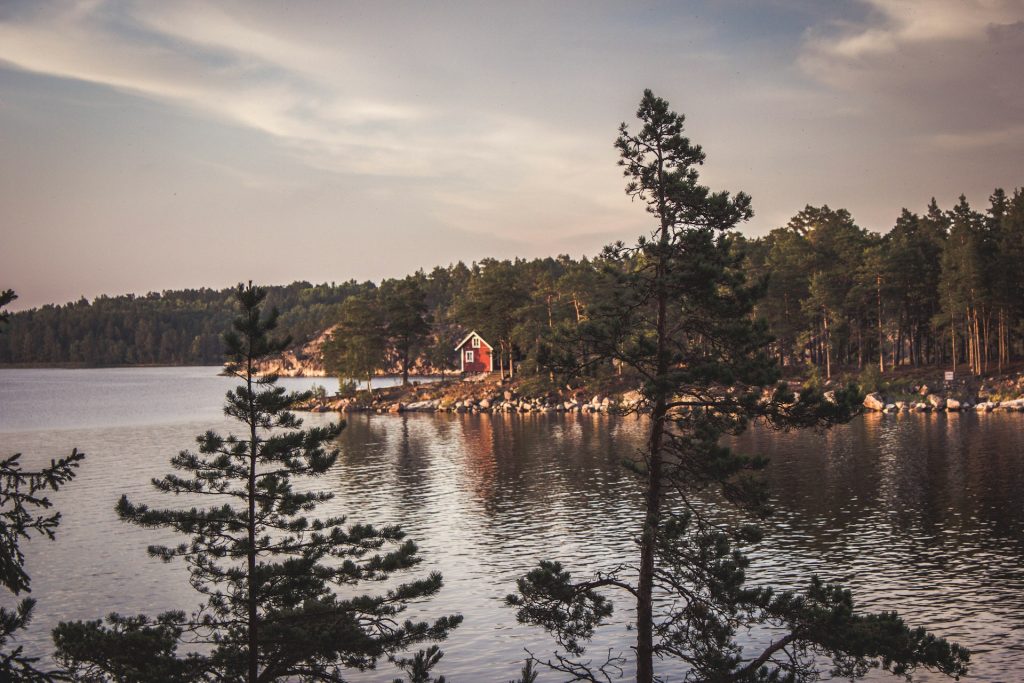
Red cottages, lakes, forests, traditional crafts and the famous Dala horse are all strongly connected with the region. The area around Lake Siljan is particularly scenic.
Dalarna is also an excellent destination if you want to experience a slower side of Sweden away from the major cities.
Småland
Småland is the kind of Sweden many visitors imagine before arriving.
The region is characterized by dense forests, lakes, red wooden cottages and small communities. It is also strongly associated with Swedish literary and cultural traditions.
For travelers interested in forests, lakes, cabins and rural Sweden, Småland can be an excellent choice.
Northern, Central and Southern Sweden
One useful way of thinking about Sweden is to divide the country into three broad areas: northern Sweden, central Sweden and southern Sweden.
Northern Sweden is dominated by wilderness, forests, mountains and Arctic landscapes. This is where you should go for the Northern Lights, Midnight Sun, mountain hiking and some of Sweden’s most dramatic natural scenery.
Central Sweden contains Stockholm and a mixture of forests, lakes, historic towns and cultural landscapes. It is particularly convenient for combining city experiences with nature.
Southern Sweden has a milder climate and more agricultural landscapes. Skåne, Småland, the west coast, Öland and Gotland offer beaches, historic towns, countryside and coastal scenery.
These are broad geographical distinctions rather than strict tourism regions, but they are useful when planning a trip.
The Swedish Seasons
Sweden is strongly seasonal, and the time of year you visit can completely change your experience.
Summer in Sweden
Summer is arguably the easiest season for a first-time visitor.
The days are extremely long, temperatures are generally comfortable, and outdoor life is everywhere. People eat outside, swim in lakes, spend time at summer cottages and travel around the country.
June, July and August are particularly popular for exploring the countryside, archipelagos and coastal areas.
In northern Sweden, summer also brings the Midnight Sun.
Autumn in Sweden
Autumn brings colorful forests, cooler temperatures and fewer visitors.
September and October can be particularly beautiful for hiking and exploring the countryside. The forests turn shades of yellow, orange and red, while the season also brings Swedish culinary traditions involving mushrooms, berries and other seasonal ingredients.
Northern Sweden becomes increasingly interesting for Northern Lights travelers as the nights grow longer.
Winter in Sweden
Winter transforms Sweden into a very different destination.
Snow is common in much of the country, particularly in the north. Stockholm can experience snowy periods, while northern Sweden often remains covered in snow for much longer.
Winter is the best season for activities such as skiing, dog sledding, snowmobiling and Northern Lights trips.
If you visit northern Sweden in winter, prepare for genuinely cold conditions rather than treating it like an ordinary European winter vacation.
Spring in Sweden
Spring is a transitional season.
Southern Sweden begins warming up earlier, while snow can remain in northern areas well into the season. The days become rapidly longer, nature begins to awaken and outdoor attractions become increasingly accessible.
Spring can also be a good time to visit the major cities if you prefer avoiding the busiest summer period.
Swedish Nature and the Right to Roam
One of the most important things for visitors to understand about Sweden is allemansrätten, usually translated as the Right of Public Access.
This principle gives people considerable freedom to enjoy the countryside. Hiking, swimming, cycling, camping and picking wild berries and mushrooms are generally possible in many areas.
But this freedom comes with an equally important responsibility.
The Swedish philosophy can essentially be summarized as do not disturb and do not destroy. You must respect private homes, cultivated land, wildlife, other visitors and the environment.
The right to roam does not mean that you can simply do whatever you want anywhere. National parks and nature reserves can have additional regulations, and you should always check local rules before camping, lighting fires or collecting anything.
For visitors accustomed to more restricted access to private land, Swedish outdoor culture can be one of the most enjoyable parts of a trip.
Hiking in Sweden
Sweden is an excellent hiking destination, with trails ranging from short walks to demanding multi-day wilderness routes.
The country has hiking opportunities in every part of the country. You can walk through coastal landscapes in Skåne, forests around central Sweden or mountain terrain in Swedish Lapland.
One of the country’s most famous long-distance trails is the Kungsleden, or King’s Trail, in northern Sweden. It passes through some of the country’s most spectacular mountain scenery.
You do not have to undertake a multi-day expedition to enjoy Swedish hiking, however. There are countless shorter trails around cities, lakes, national parks and nature reserves.
Swedish Food You Should Try
Food is an increasingly important part of traveling in Sweden.
Swedish cuisine is strongly influenced by the country’s geography and climate. Historically, preserving food was essential during the long winter, while modern Swedish cooking combines traditional ingredients with international influences.
Some foods worth trying include Swedish meatballs, gravlax, pickled herring, Västerbotten cheese, toast Skagen, pea soup and various forms of locally caught seafood.
Then there is fika.
Fika is much more than simply drinking coffee. It is a social tradition built around taking a deliberate break, usually with coffee and something sweet to eat. Cinnamon buns, known as kanelbullar, are among the most popular choices.
Trying fika is one of the easiest ways for a visitor to participate in everyday Swedish culture.
Swedish Culture and Everyday Life
Swedish culture can initially seem reserved to visitors, particularly if they come from countries where casual conversation with strangers is more common.
Swedes generally value personal space, punctuality and consideration for other people. Queuing is taken seriously, and arriving on time is usually appreciated.
At the same time, Sweden has a strong café culture, vibrant nightlife in its major cities and a deeply rooted tradition of spending time outdoors.
The Swedish concept of lagom is often translated as “just the right amount.” While it is sometimes presented as a simple explanation for everything Swedish, it does capture something useful about the country’s preference for moderation, balance and practicality.
Midsummer in Sweden
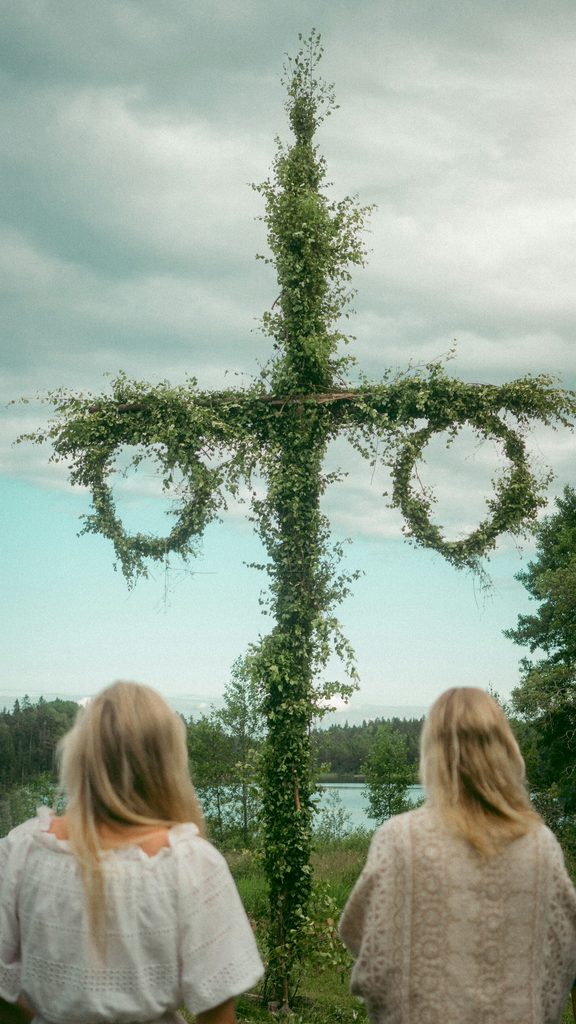
Midsummer is one of the most important Swedish celebrations of the year.
The holiday takes place around the summer solstice and is associated with flowers, traditional food, dancing, music and spending time with family and friends.
Many Swedes leave the cities and head to summer cottages or rural areas for the celebration.
For visitors, Midsummer can be a fascinating cultural experience, although travelers should remember that many businesses have reduced opening hours during major Swedish holidays.
Getting Around Sweden
Sweden is generally straightforward to travel around.
Trains connect many of the country’s major cities, and domestic flights can be useful when covering very long distances. Buses provide additional connections, particularly to smaller towns and rural destinations.
For many travelers, however, renting a car is one of the best ways to explore Sweden outside the major cities.
A road trip allows you to stop at lakes, viewpoints, villages, hiking trails and small restaurants that can be difficult to reach using public transportation.
Driving distances can be deceptive. Sweden is a large country, so always check the actual distance and driving time rather than assuming that two destinations are close because they appear close on a map.
Traveling by Train in Sweden
Train travel is particularly useful between the major urban centers.
Stockholm, Gothenburg, Malmö and many other cities have good rail connections, making it possible to travel between them without renting a car.
For longer journeys, overnight trains can also be an interesting option, particularly when traveling north.
Train travel can save you from spending valuable vacation time driving, while also giving you the opportunity to watch Sweden’s landscapes change outside the window.
Driving in Sweden
A Swedish road trip can be one of the best ways to experience the country.
Roads are generally well maintained, traffic outside the major cities can be light, and the landscape itself becomes part of the journey.
Remember that Sweden uses the metric system and distances are given in kilometers. Speed limits are displayed in kilometers per hour.
During winter, driving conditions can become considerably more difficult, particularly in northern Sweden. Snow, ice and limited daylight require appropriate preparation and a suitable vehicle.
How Much Time Do You Need in Sweden?
There is no single ideal length for a Sweden trip.
A three-day trip works well for Stockholm or another major city.
With one week, you can explore Stockholm in greater depth or combine the capital with nearby destinations.
With 10 to 14 days, you can start combining regions, such as Stockholm and the west coast, Stockholm and southern Sweden, or several destinations on a road trip.
Longer trips are particularly worthwhile if you want to explore northern Sweden. The distances involved mean that trying to squeeze Swedish Lapland into a short vacation can result in spending more time traveling than experiencing the destination.
Is Sweden Expensive?
Sweden is not generally considered a budget destination, particularly when it comes to accommodation, restaurants and activities in major tourist destinations.
However, there are plenty of ways to control your travel costs.
Supermarkets can be useful for breakfast and lunch, especially when staying in an apartment or cabin. Public transportation can be cheaper than renting a car in major cities, while Sweden’s outdoor attractions offer enormous value because many hiking trails, lakes, forests and viewpoints can be enjoyed without admission fees.
Accommodation also varies considerably. Hotels in major cities can be expensive, while hostels, campsites, cabins and other accommodation options can provide alternatives.
The most important thing is to budget according to the type of trip you are planning rather than assuming that all of Sweden costs the same.
Where to Stay in Sweden
Sweden has an unusually broad range of accommodation.
In Stockholm, Gothenburg and Malmö, you will find everything from international hotels to boutique properties, hostels and apartments.
Outside the cities, the options become more interesting. You can stay in traditional cabins, countryside guesthouses, campsites, farm accommodations and unusual nature-based properties.
For a summer road trip, staying in cabins can be particularly enjoyable. It allows you to experience the countryside rather than simply passing through it.
In northern Sweden, accommodation can itself become part of the experience, with wilderness lodges, mountain stations and distinctive Arctic properties available in some destinations.
Swedish Islands and Archipelagos
Sweden is one of Europe’s great island destinations, although this is sometimes overlooked by international visitors.
The Stockholm archipelago contains thousands of islands and skerries, ranging from inhabited islands with restaurants and accommodation to tiny rocky islands surrounded by the Baltic Sea.
The west coast offers another spectacular archipelago around Bohuslän, characterized by exposed granite rocks and fishing communities.
Gotland and Öland provide yet another island experience, with larger landscapes, beaches, villages and cultural attractions.
If you enjoy the sea, Sweden’s islands deserve much more attention than they usually receive in international travel guides.
Wildlife in Sweden
Sweden has a fascinating range of wildlife.
Moose are among the animals most closely associated with the country, while brown bears, Eurasian lynx, wolverines and wolves inhabit parts of Sweden.
Reindeer are particularly important in northern Sweden and are closely connected to Sámi culture and livelihoods.
Birdwatchers can also find excellent opportunities throughout the country, from coastal wetlands to northern forests and mountain environments.
Wildlife encounters are never guaranteed, and responsible wildlife watching means maintaining appropriate distances and avoiding disturbance.
Swedish Cities Beyond Stockholm
One of the easiest mistakes to make when planning a trip to Sweden is to focus exclusively on Stockholm.
Sweden has numerous smaller cities and towns that can make excellent additions to an itinerary.
Uppsala is known for its university and cathedral. Lund has a strong historic and academic character. Helsingborg sits on the southern coast facing Denmark. Visby offers medieval architecture unlike almost anywhere else in the country.
Further north, cities such as Umeå, Luleå and Kiruna provide very different experiences from southern Sweden.
Exploring smaller Swedish destinations can also provide a more relaxed experience and a better opportunity to see how people actually live outside the country’s largest tourist centers.
Planning Your Sweden Trip
A good Sweden itinerary starts with choosing the type of experience you want.
If you want culture, museums, restaurants and urban sightseeing, start with Stockholm, Gothenburg or Malmö.
If you want nature and outdoor adventure, consider Swedish Lapland, Dalarna, Småland, the west coast or one of Sweden’s national parks.
If you want a summer vacation by the sea, look at Gotland, Öland, Bohuslän or the southern coast.
If you want winter and the Northern Lights, focus on northern Sweden.
If you want a road trip, consider choosing one region rather than attempting to drive from one end of the country to the other.
This is where Sweden Explained is intended to become useful. Rather than treating Sweden as one enormous destination, we break the country down into manageable destinations, regions and experiences so you can build a trip that actually fits your interests.
Start Exploring Sweden
There is much more to Sweden than the stereotypical image of Stockholm, IKEA and Swedish meatballs.
It is a country where cities and wilderness exist remarkably close together, where a sophisticated capital can be combined with an evening in the forest, and where summer can mean swimming in a lake beneath a nearly endless sunset while winter can mean standing beneath the Northern Lights.
The best way to explore Sweden is to choose your priorities and then build your itinerary around them.
Explore our guides to Stockholm, Gothenburg, Malmö, Swedish Lapland, Gotland, the Swedish west coast and Sweden’s many smaller destinations. Continue into our guides to Swedish food, transportation, accommodation, hiking, national parks, road trips, Swedish culture and the country’s four very different seasons.
Whether you are visiting Sweden for a long weekend, planning a two-week road trip or dreaming about an extended adventure through the far north, Sweden Explained is your guide to discovering the country beyond the obvious.